• Instagram
  • LinkedIn
Nicholas Moffett Creative Design
  • HOME
  • PORTFOLIO BLOG
  • ABOUT
  • Search
  • Menu Menu

The Punisher

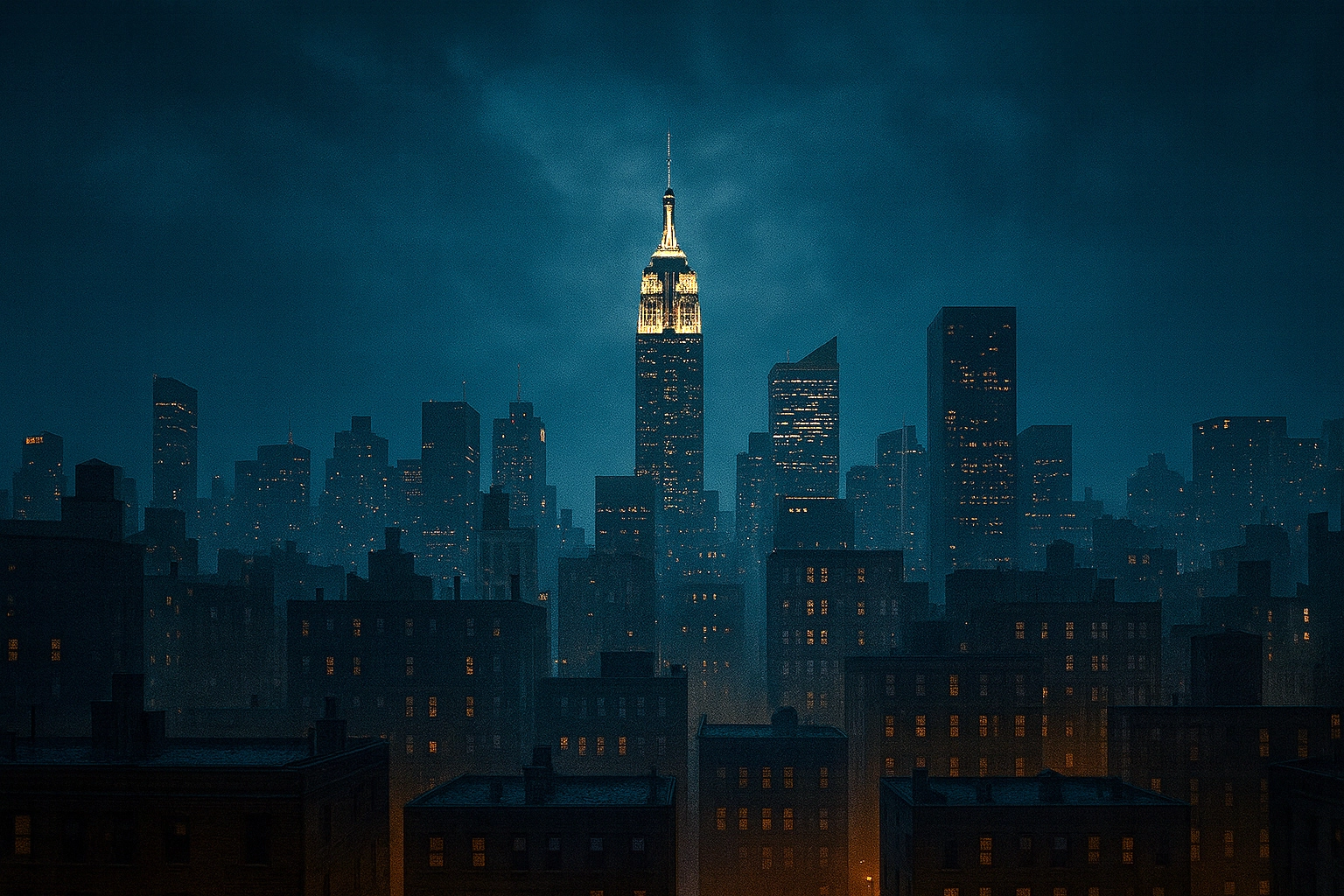
Built as a layered portal into an urban environment, this design uses depth and perspective to isolate the Punisher within a confined 2.5D space. Environmental motion adds unease instead of flourish, turning the scene into a tactical shadow box — compressed, directional, and deliberate. Every layer reinforces the sense of proximity and threat, as if the figure exists just beyond the surface, waiting rather than performing.

PLAO CGYG NKS AO895 JMO
More Digital Interactive Scenes Here

Daily updates continue as I finalize different types of 3D web experience. AR and VR coming soon!

Coming Soon – Draco – KTX2

The scene leverages highly detailed models and rich surface treatments to achieve a cinematic level of depth. At the same time, the pipeline supports modern compression techniques such as Draco for geometry and KTX2 for textures, allowing the experience to be dramatically reduced in size without compromising visual integrity. Draco minimizes mesh data, while KTX2 delivers GPU-native texture compression that lowers memory usage, bandwidth, and heat — especially critical for mobile. Together, they make premium, immersive digital cards both performant and scalable on the web.

Capability BlackLayer Conventional Platforms
Unified Web + 3D Experience ✅ Seamlessly blends APIs and web content ❌ Divided layers between interface and visuals
Transparent Media Layers ✅ Supports alpha animated overlays with precision ⚠️ Often flattens or drops alpha media
Live, Interactive Templates ✅ Editable, stylized, and responsive elements ❌ Locked, static template behavior
Layered Experiences ✅ Natural Scene Integration ❌ Flat, single-scene designs
Mobile-Optimized Visuals ✅ Engineered for mobile browser fidelity ⚠️ Visuals frequently degrade or misrender
Modular Content System ✅ Components are reusable and remix-able ❌ Rigid layouts require rebuilding
Stacked Visual Compositing ✅ Video, and HTML without conflict ❌ Competing layers cause lags or glitches
Smooth Transitions ✅ State-driven, cinematic transitions ❌ Abrupt jumps or limited animation logic
Story-First Architecture ✅ Built for narrative, interaction, and hierarchy ❌ Static content with limited flexibility
Signature Visual Style ✅ Depth, motion, and polish feel custom-crafted ❌ Framework defaults limit originality

Original Artwork From Models

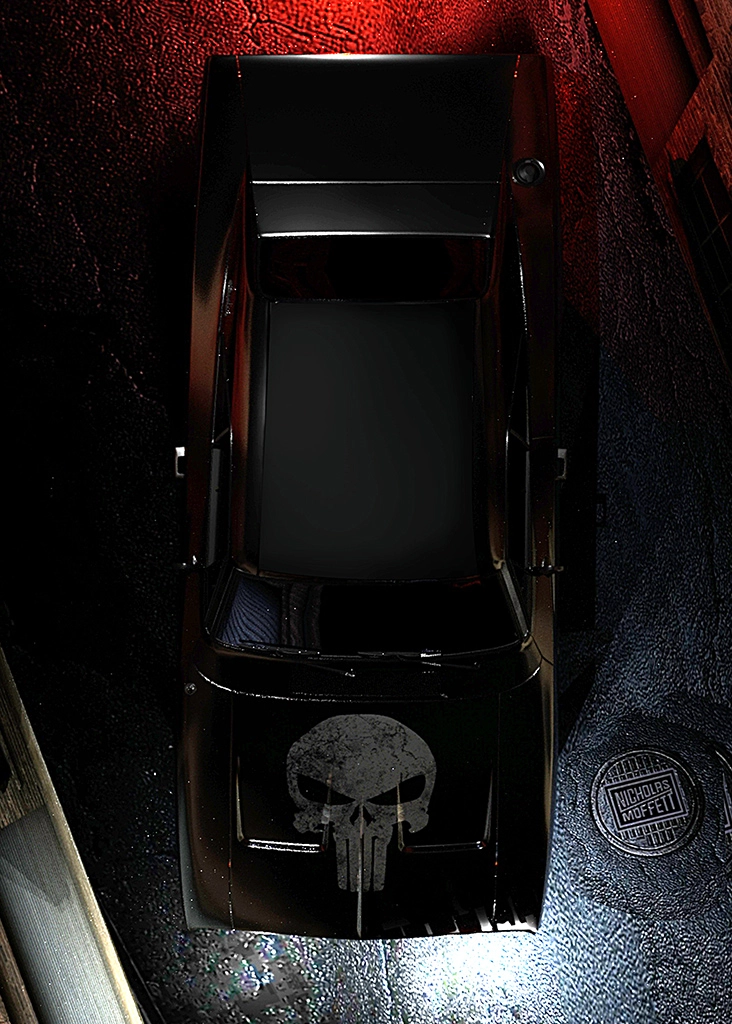
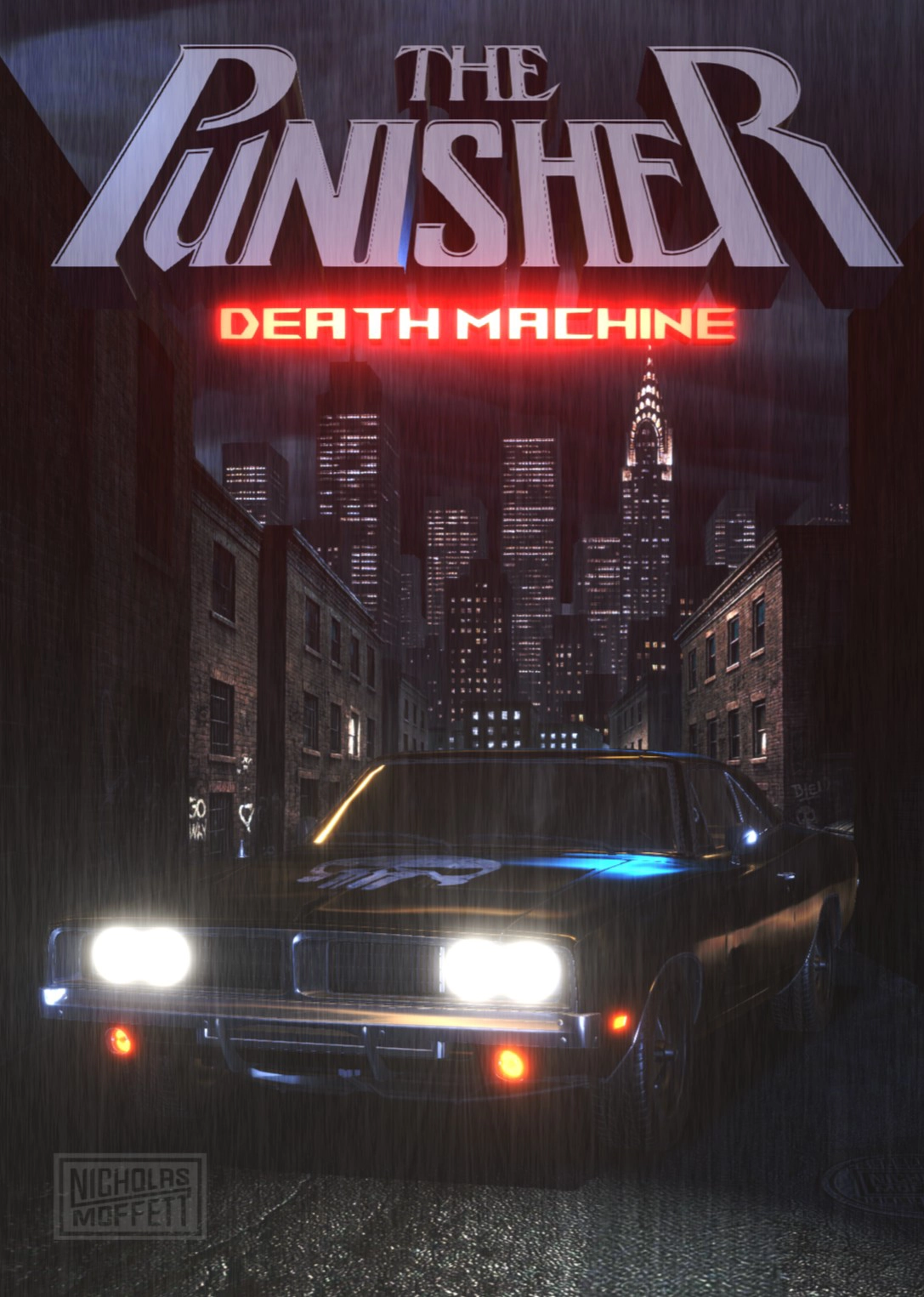
This poster demonstrates how a single 3D asset pipeline can drive both real-time interactive content and standalone artwork without compromise. The Punisher model used in the live card scene is repurposed here as a fully rendered, high-fidelity image, preserving material accuracy, lighting logic, and surface detail across mediums. Rather than treating illustration and interaction as separate disciplines, the design positions them as parallel outputs of the same system.

The art direction leans into realism and restraint, allowing form, texture, and lighting to carry the composition. Subtle environmental cues and controlled contrast emphasize physical presence while avoiding stylization for its own sake. By grounding the artwork in the same production assets used for WebGL deployment, the piece establishes a repeatable workflow where interactive scenes, marketing imagery, and collectible visuals can be generated from a shared source. The result is not a single poster, but a framework — one where new assets, angles, and expressions can be continuously extracted without rebuilding the foundation.

⚙️  UX Design & Development Strategy

How Black Layer turns immersive technology into intuitive, scalable user experiences.


1. Narrative-First Architecture

Users don’t just consume content—they move through experiences.
BlackLayer is built around temporal design thinking, allowing UX flows to unfold like stories. Each UI state is intentional, and transitions are treated as narrative moments rather than mechanical shifts.

🔹 Result: Users feel guided, not confused. Interfaces become emotionally resonant, not transactional.


2. Unified Interaction 

Traditional frameworks separate 3D visuals from UI elements.
BlackLayer removes this wall, allowing real-time interaction between visual elements. Designers can build scenes with emphasis on SEO, tracking buttons, forms,  and in a all web context.

🔹 Result: No more choosing between beauty and usability. Users can touch, rotate, click, and act—all in one visual plane.


3. State-Driven Logic & Declarative Flow

UX chaos happens when UI behavior is unpredictable.
BlackLayer uses clear, modular states to ensure that every interaction leads to a consistent visual and functional result. Transitions aren’t hacked together—they’re built into the logic.

🔹 Result: UX stays smooth, understandable, and accessible across devices and use cases.


4. Performance-Conscious Design

Immersive doesn’t have to mean bloated.
BlackLayer is engineered with mobile GPUs  and animation throttling in mind. It adapts visual fidelity to match device capability, preserving the core experience for all users—not just desktop power users.

🔹 Result: Fast, responsive experiences that maintain visual richness on any screen.


5. Composable, Story-Ready Components

Design systems aren’t just button kits.
BlackLayer lets teams create modular, reusable experience blocks—scrolling media, animated product moments, interactive reveals—all declaratively stitched together using story logic.

🔹 Result: Faster prototyping. Less dev overhead. More brand-consistent UX moments.


6. Emotion Through Motion

Movement is a language.
From hover states to full-scene transitions, BlackLayer uses cinematic motion as UX language—to guide attention, indicate hierarchy, and reward user actions.

🔹 Result: Increased engagement, clarity, and delight.


🔄 Outcome-Driven UX Philosophy

“Technology without empathy is noise. Black Layer is a system for crafting immersive experiences that users can feel, navigate, and trust.”
Legal Disclaimer

All work shown here is original and created by Nicholas Moffett. Logos and product references are used for demonstrative purposes only and remain the property of their respective owners. The BlackLayer system and presentation methods are proprietary and may not be replicated, deconstructed, or redistributed without permission.

  • HOME
  • PORTFOLIO BLOG
  • ABOUT

Newsletter

Categories

  • Branding
  • Featured
  • Illustration
  • Information Graphics
  • Logo Design
  • Random Content
  • User Experience
  • Video & Animation
  • Web Development
  • Welcome
© Copyright - Nicholas Moffett Web & Design Portfolio - Enfold Theme by Kriesi
  • Instagram
  • LinkedIn
OVI895
Scroll to top
error: